Road Sign Shapes and Colors: What Each One Means
Shape and color tell you what a sign is about before you're close enough to read it. Some shapes are saved for just one sign, so learning them is an easy win on your permit test. Try it: what does this shape tell you?
In this guide
- What does a red octagon mean?
- What does a downward triangle mean?
- What does a diamond shape yellow sign mean?
- What does a rectangular sign mean?
- What does a pentagon sign mean?
- What does a round sign mean?
- What does the white X sign mean?
- What does a pennant sign mean?
- What do road sign colors mean?
- How to remember road sign shapes
- Shapes and colors quiz: 12 questions
- Road sign shapes and colors FAQ
What does a red octagon mean?
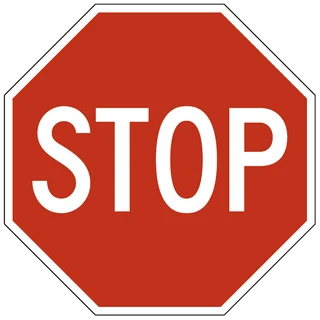
Stop. The octagon has eight sides, and only stop signs use it. Come to a full stop, check for traffic and people walking, and go when it's safe.
You might also see this shape off a post. Flaggers at road work and school crossing guards hold up hand-held STOP paddles. Stop, and don't go until that person signals you. Not sure who goes first at a regular stop sign? See our 4-way stop rules.
What does a downward triangle mean?
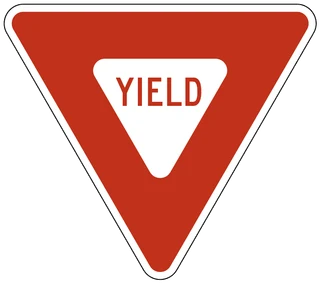
Yield. Only yield signs use this shape. Slow down and let traffic and people walking go first. You only have to stop if you need to.
What does a diamond shape yellow sign mean?
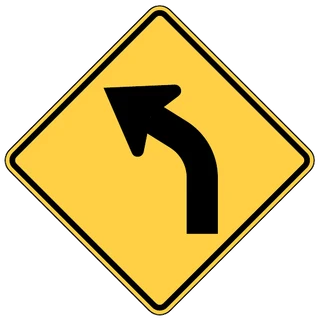
It's a warning. Something ahead needs your attention, like a curve, a merge or a slippery road. The picture on the sign tells you what. Slow down and be ready.
The diamond can come in other colors, and the color tells you what kind of warning it is:
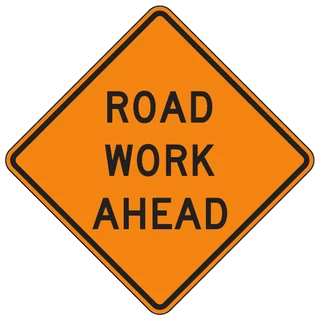
Orange diamond
Road work or another temporary change ahead.
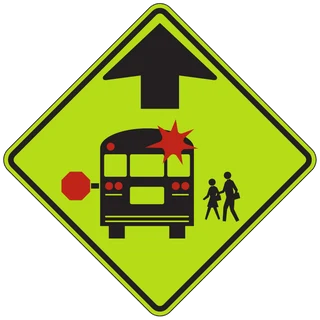
Yellow-green diamond
Watch for schools, school buses, people walking, cyclists or playgrounds.
Not every warning is a diamond. Signs like the chevron, which marks a sharp curve, are yellow rectangles.
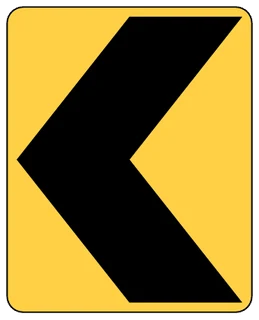
A row of these marks the edge of a sharp curve. Follow the way they point.
What does a rectangular sign mean?
The rectangle does the most jobs, so look at how it's turned and what color it is.
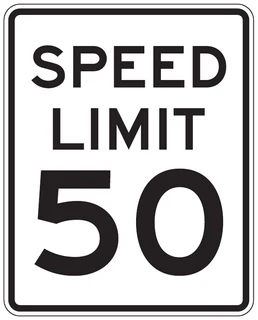
Tall and white
Usually a rule you have to follow, like a speed limit or No Turn on Red.
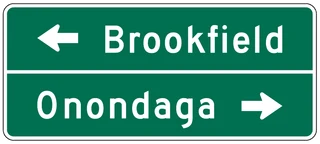
Wide
Usually a guide sign that helps you find your way.
What does a pentagon sign mean?
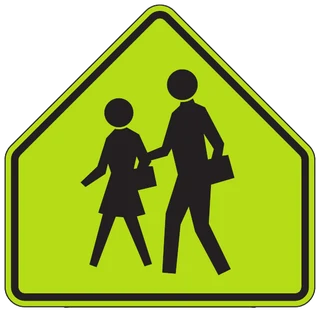
A school. This five-sided sign points up like a house, and it marks a school area, school zone or school crossing. Slow down and watch for kids.
You may also spot a blue pentagon with yellow letters. That's a county route marker, which only tells you what road you're on.
What does a round sign mean?
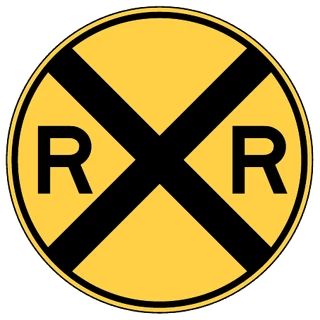
A railroad crossing is ahead. The circle is saved for this one warning. Slow down, look and listen, and be ready to stop.
What does the white X sign mean?
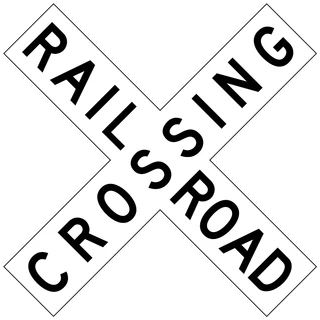
This is the railroad crossing itself, and it's called a crossbuck. In most states, it means you have to yield to trains. The round sign warns you early, and the X marks the spot.
What does a pennant sign mean?
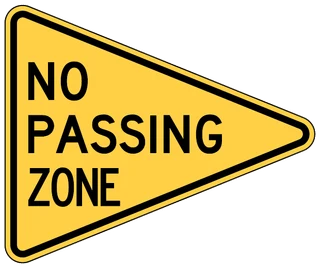
A no-passing zone starts here. Only this sign uses the sideways triangle. You'll find it on the left side of the road, where drivers thinking about passing can see it.
You may also see trapezoid signs, which are wider at the top. They mark recreation areas and National Forest routes, so they aren't warnings or rules.
What do road sign colors mean?
The federal manual gives each color a general meaning:
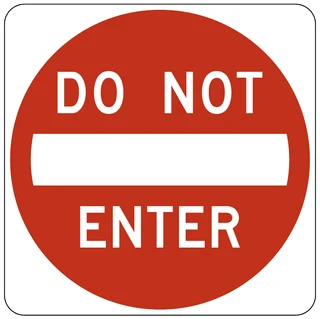
Red
Stop or not allowed. You'll see it on Stop, Yield, Do Not Enter and Wrong Way signs, and in the circle and slash.
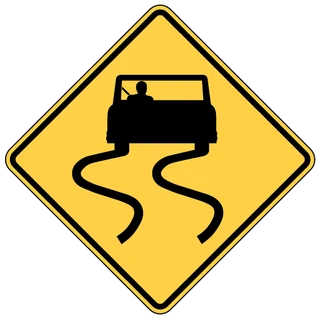
Yellow
A warning about what's ahead.
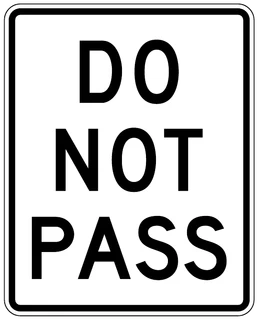
White and black
Usually a rule you have to follow. Some are route markers.
Orange
Road work and other temporary changes. Slow down and watch for workers.
Yellow-green
Schools, school buses, people walking, cyclists and playgrounds. Some of these can also be plain yellow.
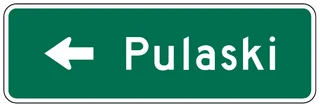
Green
Directions, or movements you're allowed to make.
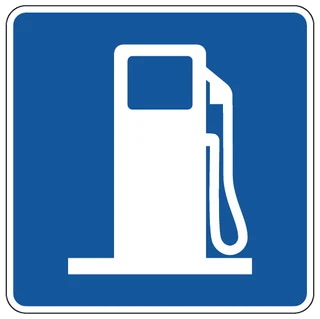
Blue
Services and tourist information, like gas and food.
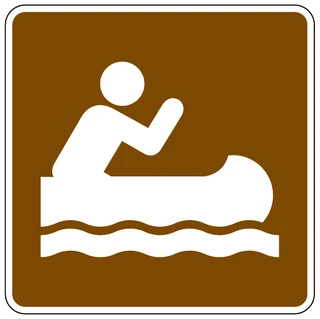
Brown
Parks, recreation and places of interest.
Two colors you won't see as often: bright pink means a crash or other incident is ahead, and purple marks lanes only for cars with a toll account, like an electronic toll pass.
How to remember road sign shapes
You don't need to memorize a chart. A few easy pictures in your head will do it:
- Octagon: think of an octopus. Eight arms, eight sides, and everything stops to look.
- Pentagon: it looks like a little schoolhouse with a pointed roof.
- Diamond: D is for danger ahead.
- Circle: round like a train wheel.
- Pennant: a flag waving from the left side of the road, right where you'd start to pass.
For color, start with the ones that tell you what to do: red for stop, yellow for warning and white for rules. Then add orange for road work and green for directions.
Shapes and colors quiz: 12 questions
Each question shows a blank sign, just the shape and color. Pick what it means, and the real sign appears.
Ready to see signs on the road? Our road signs test puts you behind the wheel with 15 driving scenarios.
Take the road signs testRoad sign shapes and colors FAQ
What shape is a warning sign?
Most warning signs are diamonds. A few aren't: chevrons at a sharp curve are rectangles, the railroad warning is round, the no-passing warning is a pennant and the school sign is a pentagon.
What shape is a stop sign?
An octagon, with eight sides. It's always red with white letters, and it's the only regular road sign with that shape.
What shape is a yield sign?
A triangle with one point facing down, in red and white.
What shape is a school zone sign?
A pentagon, with five sides. It's usually bright yellow-green, though some are plain yellow.
What color are road work signs?
Orange, usually with black letters or symbols.
What do blue and brown road signs mean?
Blue signs point you to services, like gas, food and lodging. Brown signs point you to parks, recreation and places of interest.
Now that you know the shapes, learn the signs themselves in our main guide to the road signs test, or see how to prepare for the permit test.
More guides
Sources
Sign pictures come from the federal sign manual, which is in the public domain. Rules can differ by state, and your state's manual is the final word. Find yours on our driver handbooks by state page. This guide draws on:
- Federal Highway Administration, Manual on Uniform Traffic Control Devices, 11th Edition with Revision 1: sections 1D.05 (colors), 2A.05 (shapes), 2B.02 (regulatory sign design), 2B.05 (yield), 2C.01 to 2C.03 and 2C.08 (warning signs, chevrons), 2C.53 (pennant), 2D (county route marker), 2I.02 (service signs), 2M (recreation signs), 6D (flagger paddle), 7B.02 (school signs), 7B.04 (school bus stop sign), 7D.02 (crossing guard paddle), 8B.03 and 8B.06 (railroad crossings)
- Texas Driver Handbook page 26 (shapes)
- Pennsylvania Driver's Manual page 10 (regulatory signs), page 17 (school signs), page 18 (work zone signs), page 19 (guide signs)
- Virginia Driver's Manual pages 6 and 7 (shapes)
- New York State Driver's Manual page 29 (shapes and colors)
- Illinois Rules of the Road page 63 (hand-held stop signs), page 64 (school signs, route markers)
This guide is reviewed and approved by Brennan McIlwain, the site owner. Spot a mistake? Email contact@drivingpracticetests.com.