Colorado DMV Permit Practice Test 5: 50 Questions
Published · Updated
Practice Test 5 has 50 multiple-choice questions on Colorado driving rules, including HAWK signals, zipper merge, light rail gates and the Move It law. Each answer is explained as soon as you pick it, and every question is listed with its answer in the study guide below.
More Colorado Practice Tests
Practice by Topic
What Practice Test 5 Covers
The questions in this test ask about:
- Flooded Roads
- Hydrant Parking
- HAWK Signals
- Transit Lanes
- Emergency Light Colors
- Yielding to Transit Buses
- Zipper Merge
- Light Rail Gates
- Mountain Curve Speed Limit
- Aggressive Drivers
- Express Consent Law
- Move It Law
Try 5 Questions from This Test
-
If you see a flooded roadway ahead, what should you do?
Show answer
B. Find another route
Do not drive through large bodies of standing water; if you see a flooded road, find another route (Colorado Driver Handbook, DR 2337, January 2025, p. 16).
-
When must you yield to a transit bus pulling back into traffic?
Show answer
C. When it is signaling and the yield sign on its rear is lit
You must yield to a transit bus that is signaling to enter a traffic lane when the yield sign on the rear of the bus is lit (Colorado Driver Handbook, DR 2337, January 2025, p. 11).
-
About how far does an average freight train going 55 mph need to stop?
Show answer
C. About one mile
A train is so large it seems slower than it is. An average freight train going 55 mph needs about one mile to stop (Colorado Driver Handbook, p. 21).
-
At a railroad crossing, what is the blue Emergency Notification System (ENS) sign for?
Show answer
C. It gives a number to call to report problems or emergencies at the crossing
All public railroad crossings have blue ENS signs with a 24/7 number to call to report problems or emergencies at the crossing (Colorado Driver Handbook, p. 21).
-
While waiting at a railroad crossing with no stop line visible, what is the minimum distance you must keep from the tracks?
Show answer
B. 10 feet
If no stop line is visible, you must stay at least 10 feet from the tracks (Colorado Driver Handbook, DR 2337, January 2025, p. 21).
Complete Study Guide: All 50 Questions with Answers
Every question in Practice Test 5, with the correct answer and an explanation for each.
-
Q1. If you see a flooded roadway ahead, what should you do?
Correct answer: Find another route
Why: Do not drive through large bodies of standing water; if you see a flooded road, find another route (Colorado Driver Handbook, DR 2337, January 2025, p. 16).
-
Q2. Your light turns steady green. What must you do before going ahead?
Correct answer: Yield to any vehicle or pedestrian still in the intersection or nearby crosswalk
Why: On a steady green light, you may go straight or turn only after yielding to any vehicle or pedestrian within the intersection or adjacent crosswalk (Colorado Driver Handbook, DR 2337, January 2025, p. 7).
-
Q3. If a child's parent is not in the vehicle, who is responsible for making sure the child is properly fastened in?
Correct answer: The driver
Why: If a parent is not in the vehicle, it is the driver's responsibility to make sure each child is properly fastened in (Colorado Driver Handbook, DR 2337, January 2025, p. 3).
-
Q4. Why should you never turn your front wheels to the left while waiting to make a left turn?
Correct answer: If you are rear-ended, you would be pushed into oncoming traffic
Why: Never turn your front wheels left while waiting, because if you are rear-ended you would be pushed into oncoming traffic (Colorado Driver Handbook, DR 2337, January 2025, p. 13).
-
Q5. In Colorado, you may not park within how many feet of a fire hydrant?
Correct answer: 15 feet
Why: You cannot park within 15 feet of a fire hydrant (Colorado Driver Handbook, p. 13).
-
Q6. Is it legal to use the oncoming lane to pass when you are approaching the crest of a hill or a curve?
Correct answer: No, it is illegal when your view of oncoming traffic is blocked
Why: It is illegal to use the oncoming lane to pass near the crest of a hill, a curve or anywhere your view of oncoming traffic is obstructed (Colorado Driver Handbook, DR 2337, January 2025, p. 17).
-
Q7. Besides signals, signs and pavement markings, who can give traffic directions that you must obey?
Correct answer: Law enforcement, highway personnel or school crossing guards
Why: Traffic control can also be provided by law enforcement, highway personnel or school crossing guards, and you must obey their directions (Colorado Driver Handbook, DR 2337, January 2025, p. 7).
-
Q8. Does a green traffic signal give you the right-of-way?
Correct answer: No; the law says who must yield but gives no one the right-of-way
Why: The law states who must yield the right-of-way, but it does not give anyone the right-of-way, even if your signal is green (Colorado Driver Handbook, DR 2337, January 2025, p. 11).
-
Q9. What is a HAWK signal, like this one, for?

Correct answer: Helping pedestrians cross the road safely
Why: HAWK (High Intensity Activated Crosswalk) signals let pedestrians cross safely, using a yellow and red flashing sequence to alert drivers (Colorado Driver Handbook, DR 2337, January 2025, p. 7).
-
Q10. What does a One Way sign like this one tell you?
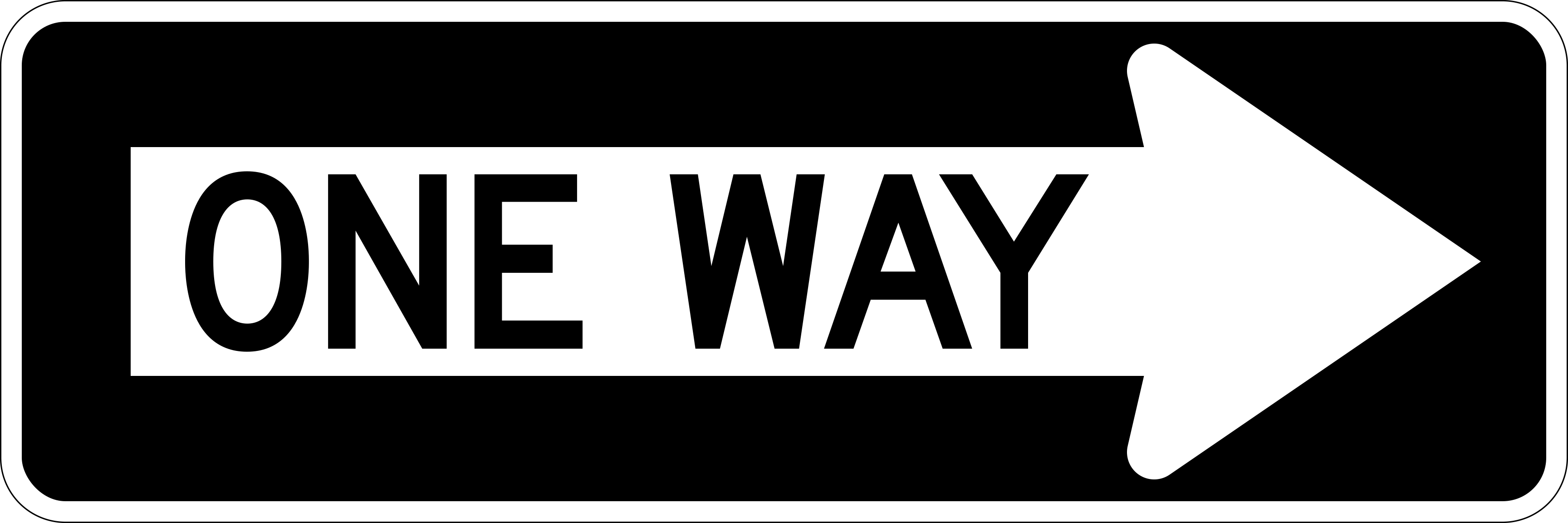
Correct answer: You may travel only in the direction of the sign's arrow
Why: One Way signs mean you may only travel in the direction shown by the sign's arrow (Colorado Driver Handbook, DR 2337, January 2025, p. 8).
-
Q11. A sign with a blue background, like this one, gives you:
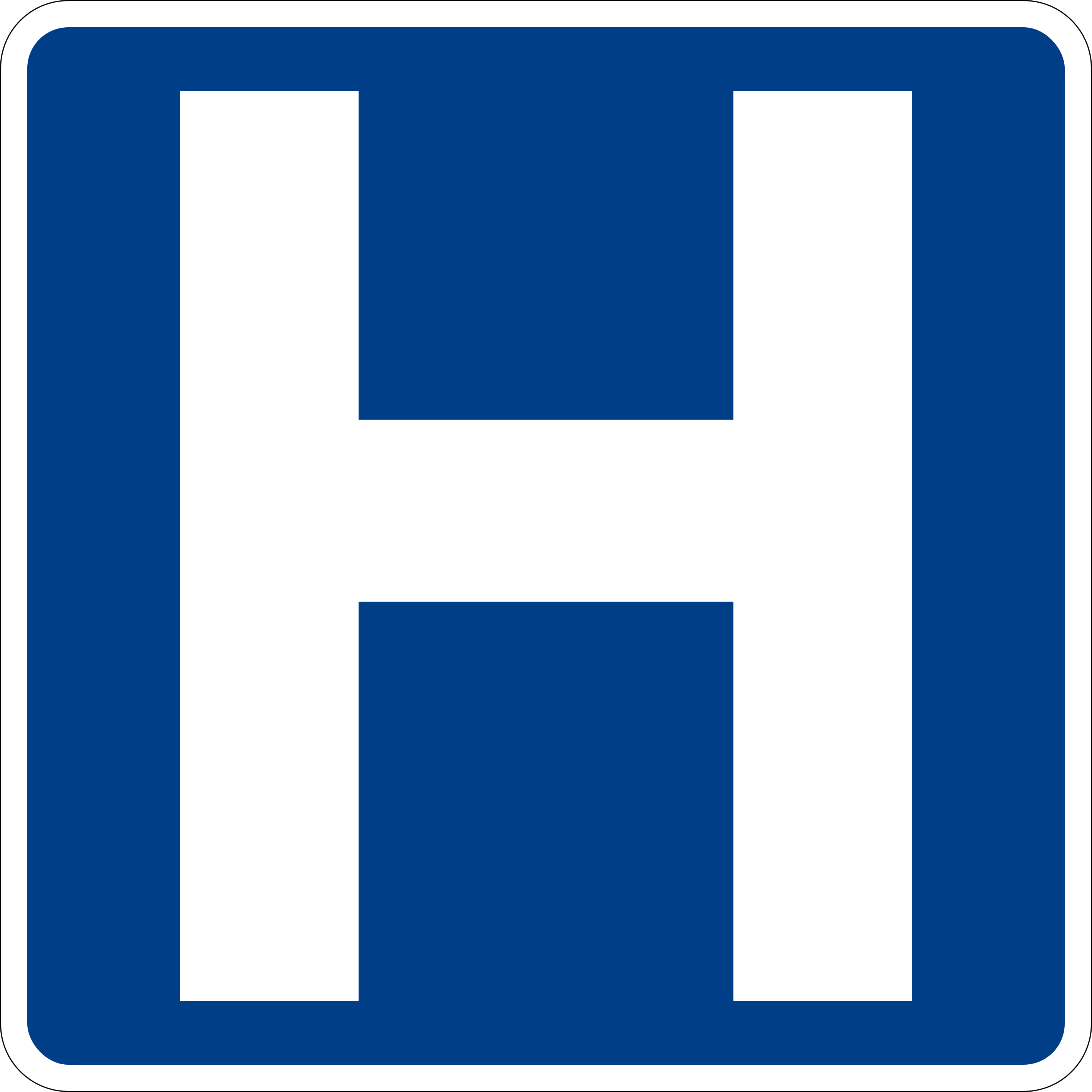
Correct answer: Directions to service facilities
Why: Signs with blue backgrounds give directions to service facilities (Colorado Driver Handbook, DR 2337, January 2025, p. 8).
-
Q12. When may you cross a solid yellow line to make a turn?
Correct answer: To turn left into an alley, private road or driveway
Why: You may cross a solid yellow line for a left turn into an alley, private road or driveway (Colorado Driver Handbook, DR 2337, January 2025, p. 9).
-
Q13. A pedestrian is crossing the road within a crosswalk ahead of you. What must you do?
Correct answer: Yield by slowing down or stopping if need be
Why: Drivers must yield to pedestrians crossing within a crosswalk by slowing down or stopping if need be (Colorado Driver Handbook, DR 2337, January 2025, p. 9).
-
Q14. A transit lane is reserved for:
Correct answer: Transit vehicles such as buses or light rail
Why: Transit lanes are reserved for the preferential or exclusive use of transit vehicles such as buses or light rail, sometimes allowing limited use by others (Colorado Driver Handbook, DR 2337, January 2025, p. 10).
-
Q15. On a street with a shared center turn lane, which lane must you turn left from?
Correct answer: The center turn lane
Why: When a street has a shared center turn lane, you may not turn left from any other lane (Colorado Driver Handbook, DR 2337, January 2025, p. 10).
-
Q16. In Colorado, you must yield to emergency vehicles using a siren, air horn, or flashing lights of which colors?
Correct answer: Red, blue, white or yellow
Why: You must yield to all emergency vehicles using a siren, air horn and/or flashing red, blue, white or yellow lights (Colorado Driver Handbook, DR 2337, January 2025, p. 11).
-
Q17. When must you yield to a transit bus pulling back into traffic?
Correct answer: When it is signaling and the yield sign on its rear is lit
Why: You must yield to a transit bus that is signaling to enter a traffic lane when the yield sign on the rear of the bus is lit (Colorado Driver Handbook, DR 2337, January 2025, p. 11).
-
Q18. On a four-lane highway where the posted speed limit is faster than 40 mph, how far before a turn or lane change must you signal?
Correct answer: 200 feet
Why: On four-lane highways with a posted limit faster than 40 mph, you must signal for 200 feet before turning or changing lanes (Colorado Driver Handbook, DR 2337, January 2025, p. 12).
-
Q19. While waiting for a gap to turn left, where should you wait?
Correct answer: At the stop line or crosswalk
Why: When turning left, wait at the stop line or crosswalk until the gap in oncoming traffic is large enough to turn safely (Colorado Driver Handbook, DR 2337, January 2025, p. 13).
-
Q20. Where parallel parking is permitted next to a curb, what is the farthest your vehicle may be from the curb?
Correct answer: 12 inches
Why: Where parallel parking is permitted, your vehicle must be within 12 inches of the curb, so traffic will not be blocked or slowed (Colorado Driver Handbook, DR 2337, January 2025, p. 14).
-
Q21. On a freeway, which lane should you use if you are driving slower than the normal speed?
Correct answer: The rightmost lane
Why: Drive in the rightmost lane when you are driving slower than the normal speed (Colorado Driver Handbook, DR 2337, January 2025, p. 14).
-
Q22. Where are you allowed to pass on the right?
Correct answer: On one-way streets and roads with two or more lanes each way
Why: You may only pass on the right on one-way streets and on roads with two or more lanes of travel in each direction (Colorado Driver Handbook, DR 2337, January 2025, p. 15).
-
Q23. You should not pass if you cannot safely return to the right-hand side before:
Correct answer: A solid yellow line begins
Why: Do not pass if you cannot safely return to the right-hand side before a solid yellow line begins (Colorado Driver Handbook, DR 2337, January 2025, p. 15).
-
Q24. You plan to drive Colorado highways this winter. What should you know about chains and snow tires?
Correct answer: Chains, snow tires or other traction devices are preferable and may be required
Why: In winter, chains, snow tires or alternative traction devices are preferable and may be required on highways.
-
Q25. When using chains or snow tires on a slick road, you should:
Correct answer: Still drive carefully, because even chains and snow tires can slip
Why: Chains, snow tires or other traction devices help in winter, but even chains and snow tires will slip on slick pavement (Colorado Driver Handbook, p. 17).
-
Q26. When a flashing yellow arrow is displayed for a left turn, you must:
Correct answer: Yield to oncoming traffic and pedestrians, then turn when there’s a safe gap
Why: A flashing yellow arrow is a permissive turn; you must yield before turning.
-
Q27. When should you first check behind your vehicle before backing up?
Correct answer: Before you get in the vehicle
Why: Check behind your vehicle before you get in, because children and small objects can't be seen from the driver's seat (Colorado Driver Handbook, p. 7).
-
Q28. In a zipper merge, what should drivers do when there is a lane closure ahead?
Correct answer: Keep driving in both lanes equally
Why: When a lane closure is ahead, drivers should keep driving in both lanes equally, then take turns filling the open lane just before the lane ends (Colorado Driver Handbook, DR 2337, January 2025, p. 19).
-
Q29. Is it legal to stop your vehicle on railroad tracks?
Correct answer: No, stopping on the tracks is illegal
Why: The handbook says never to stop on the tracks, because stopping on them is illegal and very dangerous (Colorado Driver Handbook, DR 2337, January 2025, p. 21).
-
Q30. While waiting at a railroad crossing with no stop line visible, what is the minimum distance you must keep from the tracks?
Correct answer: 10 feet
Why: If no stop line is visible, you must stay at least 10 feet from the tracks (Colorado Driver Handbook, DR 2337, January 2025, p. 21).
-
Q31. You are driving behind a commercial bus or a truck carrying hazardous materials as it nears a railroad crossing. What should you do?
Correct answer: Be ready to stop, because it must stop at most crossings
Why: Commercial buses and trucks carrying hazardous materials must stop at most railroad crossings, so be ready to stop when you are following one (Colorado Driver Handbook, p. 21).
-
Q32. Is it safe to drive around light rail gates right after a light rail vehicle has passed?
Correct answer: No, another vehicle might be coming from the other direction
Why: Never drive around traffic gates, even if a light rail vehicle has just passed, because another vehicle might be coming from the other direction (Colorado Driver Handbook, DR 2337, January 2025, p. 22).
-
Q33. A person on a bike is riding in the road ahead of you. How should you treat them?
Correct answer: As the driver of a vehicle who generally follows the same rules of the road
Why: Bicycles are considered vehicles on the roadway. People on bikes have many of the same rights and responsibilities as motorists and generally follow the same rules of the road (Colorado Driver Handbook, p. 22).
-
Q34. When may a driver cross a bike lane?
Correct answer: When turning, or entering or leaving a road, driveway or alley
Why: You may cross a bike lane when turning, or when entering or leaving another road, a driveway or an alley (Colorado Driver Handbook, DR 2337, January 2025, p. 23).
-
Q35. Unless a sign shows a different limit, what is the speed limit on narrow, winding mountain highways and blind curves in Colorado?
Correct answer: 20 mph
Why: Unless another limit is posted, the speed limit on narrow, winding mountain highways and blind curves is 20 mph (Colorado Driver Handbook, p. 12).
-
Q36. You are driving alongside a bicyclist and want to turn right. What should you do?
Correct answer: Slow down, yield and let the bicyclist clear the intersection first
Why: When driving alongside a bicyclist and preparing to turn right, slow down, yield and let the bicyclist clear the intersection before you turn (Colorado Driver Handbook, DR 2337, January 2025, p. 23).
-
Q37. When should you sound your horn close to a bicyclist?
Correct answer: Only when there is an immediate risk of a crash
Why: Avoid sounding your horn close to bicyclists unless there is an immediate risk of a crash, because it may startle them and cause them to crash (Colorado Driver Handbook, DR 2337, January 2025, p. 23).
-
Q38. You use the three-second rule and pass the reference point before you finish counting "one-thousand-three." What does this mean?
Correct answer: You are following too closely
Why: Count from when the car ahead passes a sign or pole. If you reach that point before you finish counting to three, you are following too closely (Colorado Driver Handbook, p. 18).
-
Q39. How should you follow the vehicle ahead of you in a work zone?
Correct answer: Don't tailgate, and be ready to stop suddenly
Why: Traffic in work zones can stop without warning, so be prepared to stop suddenly and do not tailgate (Colorado Driver Handbook, p. 18).
-
Q40. About how far does an average freight train going 55 mph need to stop?
Correct answer: About one mile
Why: A train is so large it seems slower than it is. An average freight train going 55 mph needs about one mile to stop (Colorado Driver Handbook, p. 21).
-
Q41. What is a truck's or bus's "No Zone"?
Correct answer: A blind spot where the driver cannot see you
Why: No Zones are blind spots around trucks and buses. Vehicles in them cannot be seen, which greatly raises the chance of a crash (Colorado Driver Handbook, p. 20).
-
Q42. If an angry driver is driving aggressively near you, what should you do?
Correct answer: Back off, give way and let the driver go
Why: Avoid eye contact, don't match an aggressive act, and if the other driver is angry, back off, give way and let them go (Colorado Driver Handbook, DR 2337, January 2025, p. 25).
-
Q43. A bike lane's paint stops at the edge of an intersection. Does the bike lane continue through the intersection?
Correct answer: Yes, bike lanes continue through intersections even without paint
Why: Bike lanes continue through intersections, whether or not the paint extends through the intersection (Colorado Driver Handbook, p. 22).
-
Q44. Under Colorado's express consent law, what do you agree to when you drive?
Correct answer: To take a chemical test for alcohol or drugs if an officer requires it
Why: By driving in Colorado, you agree to a blood, breath, saliva or urine test if an officer suspects you are impaired (Colorado Driver Handbook, p. 5).
-
Q45. At a railroad crossing, what is the blue Emergency Notification System (ENS) sign for?
Correct answer: It gives a number to call to report problems or emergencies at the crossing
Why: All public railroad crossings have blue ENS signs with a 24/7 number to call to report problems or emergencies at the crossing (Colorado Driver Handbook, p. 21).
-
Q46. May you park so that your car blocks a driveway?
Correct answer: No, blocking a driveway is not allowed
Why: Blocking a driveway is on the list of places where you may not park (Colorado Driver Handbook, p. 13).
-
Q47. What does this sign warn you about?

Correct answer: The road curves to the right ahead
Why: This warning sign shows a curve ahead, so slow down before you reach it (Colorado Driver Handbook, p. 8).
-
Q48. If you are involved in a crash, what does the handbook say you should do?
Correct answer: Stop immediately and never leave the scene
Why: In the event of a crash, you should stop immediately and never leave the scene (Colorado Driver Handbook, DR 2337, January 2025, p. 26).
-
Q49. If you cannot see over the top of a hill, what should you do?
Correct answer: Slow down until you crest the hill and can see the road
Why: If you cannot see over a hill, slow to an appropriate speed until you crest it and can see the roadway again (Colorado Driver Handbook, DR 2337, January 2025, p. 16).
-
Q50. Under Colorado's Move It Law, after a minor crash on a divided highway where the vehicles can be driven, no one is hurt, and no drugs or alcohol are involved, you must:
Correct answer: Move the vehicles off the highway
Why: The Move It Law requires drivers in a minor crash on a divided highway to move their vehicles off the highway when they are drivable, no drugs or alcohol are involved and no one is injured (Colorado Driver Handbook, DR 2337, January 2025, p. 26).